Tiếng Việt
Chemical safety
Chemical safety is achieved by conducting all activities involving chemicals in a manner that ensures safety for human health and the environment. It covers all chemicals, natural and synthetic, and the full range of exposure situations from the natural presence of chemicals in the environment to their extraction or synthesis, industrial production, use, transportation and disposal.
Chemical safety has many scientific and technical components. These include toxicology, ecotoxicology and chemical risk assessment processes that require detailed knowledge of exposure and biological effects.
Safe transport of dangerous goods
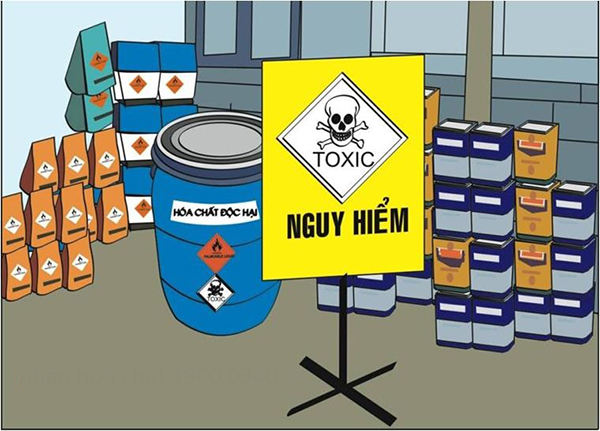
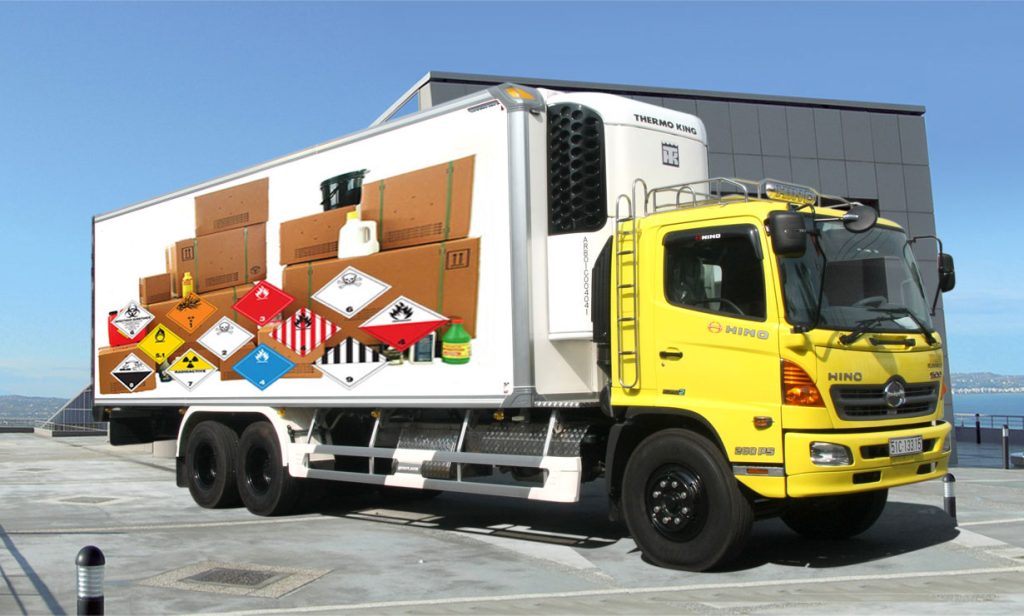
The Dangerous Goods Act defines dangerous goods as substances and objects whose nature, condition or properties pose a threat to public order or safety – above all to the life and health of humans, animals and objects.
In a highly industrialized society, such dangerous goods are often used. In the context of transportation, it is important to protect the safety, life and health of the public by exercising the utmost care and reliability. In this context, proper fleet equipment and employee training are indispensable to ensure the safe transportation of sensitive goods.
Employee Safety
Employee safety refers to providing a safe working environment for employees by incorporating safety equipment and workplace safety procedures to ensure worker safety. Employee safety is important to maintain a good safe working environment to improve morale and efficiency, thereby contributing to the growth and profitability of the company. Lack of employee safety procedures can have legal and financial consequences.
Measures to prevent and respond to chemical incidents
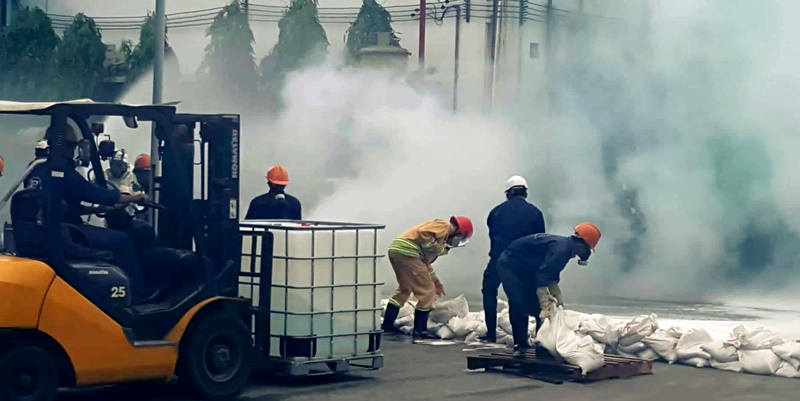
A chemical incident is a situation of fire, explosion, leakage or dispersion of chemicals that causes or threatens to cause damage to people, property and the environment.
Specifically, chemicals are substances, compounds or mixtures that are exploited or created by humans from natural or artificial materials.
Measures to prevent and respond to chemical incidents include the following main contents:
– Identify, delimit and plan regular inspections of locations at high risk of chemical incidents;
– Measures, equipment, means and on-site response forces;
– Have a plan to coordinate with external forces in responding to chemical incidents.